Summoner's Gambit Card Fusion & Trait Inheritance
Combine creatures so the hybrid keeps the jobs you actually need on the board.
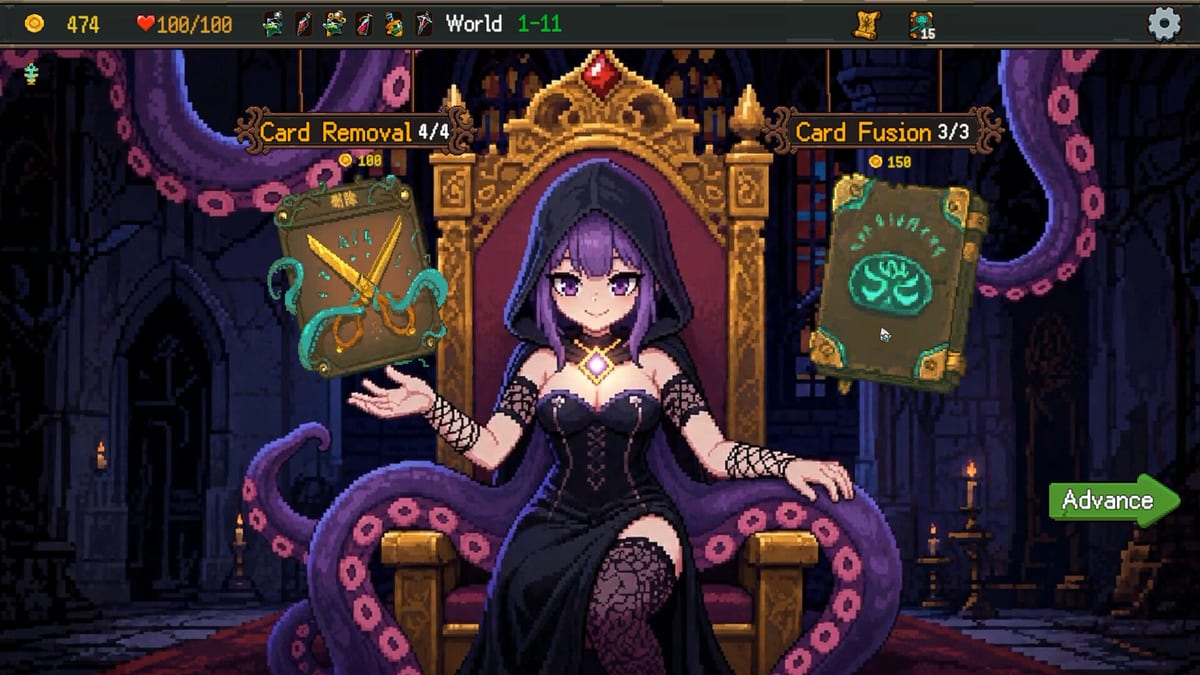
Fusion is how decks stop being clutter
Summoner’s Gambit lets you fuse nearly all acquired creature cards. The resulting creature inherits traits from both components and becomes a more formidable—and usually denser—board piece. With 200+ cards in the wider pool, fusion is the main way a run graduates from “pile of neat monsters” to a formation that still functions under Energy Overflow pressure and Ascension modifiers.
If you are still learning the loop, start with Getting Started. If Overflow is why you need denser boards, keep Energy Overflow open beside this page. Navigation for all strategy articles: Guides Hub.
What “inherits traits” means in practice
Inheritance is not a simple average of two power scores. You are choosing which jobs survive on a single slot:
- Offensive tags (damage types, execute thresholds, on-hit effects).
- Defensive tags (taunt-like presence, shields, sustain).
- Utility tags (disruption, buff aura, range tricks).
- Synergy race or set identity that feeds class build paths.
A good fusion answers: “Which two roles am I allowed to collapse into one body without losing the win condition?” A bad fusion answers: “These two were both kind of strong.” Strength without role clarity creates expensive vanity units that still leave holes in attack order or skill range.
Timing windows during a run
Early — fuse only to fix a missing role (no frontliner, no ranged finisher) or to cement a core synergy you already drafted twice. Keep flexibility for the first major boss pattern.
Mid — this is the prime fusion window. You know your class path, you have duplicate materials, and shops start tempting you into bloat. Collapse redundant copies before your draw pile becomes a museum.
Late — fuse to solve Ascension-ready problems: lower energy per threat, stack the exact traits that beat the next modifier, or create a PvP snapshot piece that covers two answers at once. See Ascension and Async PvP.
Class-flavored fusion goals
- Noble Serpent — fuse toward clean tempo packages: reliable openers plus a finisher trait on the same body.
- Child of the Forest — preserve growth/support identity; do not fuse away the sustain that lets you play a safer energy band.
- Lord of Shadows — prioritize disruption inheritance; a quiet denial trait on a sturdy frame wins more than raw damage stickers.
- King of the Wilds — fuse for board presence that does not demand constant greed spends—Wilds already wants to slam energy.
Deep class outlines: Builds. Relative piece quality: Tier List.
Fusion versus positioning
Auto-battler rules still apply after fusion. A hybrid that inherits a long-range skill must sit where that range matters; a hybrid that inherits early attack priority belongs where it can actually swing first. Fusion that ignores formation is a spreadsheet win and a battlefield loss. Refresh placement habits in Getting Started and slot-swapping speed in Controls.
Energy math: why fusion is an Overflow tool
Two mediocre summons can cost more energy and more board slots than one fused threat that retained both key traits. That is why fusion and Energy Overflow are sibling skills. If your busts come from fielding too many partial creatures, fusion is the fix. If your busts come from a single inflated hybrid that costs the moon, you fused the wrong parents—or you need runes/potions from Items before the next spike.
Cheat the Odds lines become cleaner when your board has one or two dense pieces instead of five fragile ones. Less moving parts means clearer expected value when you choose to gamble.
Materials, potions, and runes around the forge
Do not spend every potion “because fusion is exciting.” Potions should protect the turns where a new hybrid is still awkwardly costed. Runes that stabilize draws help you actually see the fused card when you need it. Full catalogs live under Items; calculators and helpers under Tools.
Common fusion mistakes
- Fusing your only copy of a pivot card before you know the mid-run branch.
- Chasing visual rarity instead of trait coverage.
- Ignoring attack order after the new body changes who should sit front.
- Over-fusing into a three-card deck that dies to disruption or bad draws.
- Never trimming unfused leftovers, so the fused star is buried under clutter.
Endgame and ladder relevance
Advanced and Endless challenges punish bloated decks. Fusion is how you stay under pressure while keeping trait coverage. Async PvP snapshots reward hybrids that answer two common ladders at once—burst and sustain, or denial and tempo. After patches, re-check Updates because fusion parents and trait weights are balance levers. Broader site index: Wiki. Buying advice and tone: Review.
A simple fusion checklist
Before you confirm a fuse, say out loud:
- Which two jobs survive?
- Which job am I deleting on purpose?
- Does the hybrid’s range and attack timing still fit my formation?
- Does this lower or raise my Energy Overflow risk?
- What am I holding unfused as a pivot?
If you cannot answer those five, wait one shop. The Old God loves impatient Apostles who glue legends together for the spectacle—and then bust on the next energy check.
Frequently Asked Questions
Quick answers to the most common questions.
Do fused cards keep traits from both parents?
Yes—the hybrid inherits traits from both components. Your job is choosing parents whose combined jobs still fit one board slot.
When is the best time to fuse in a run?
Mid-run is usually ideal, once you know your class path and have materials. Early fusions should only fix critical role gaps.
Can fusion help with Energy Overflow?
Often. Collapsing two inefficient summons into one denser threat can lower total energy spend while preserving key traits.
Should every card be fused eventually?
No. Keep flexible unfused pieces for pivots, and avoid shrinking so far that disruption or bad draws delete your whole plan.
Where should I place a newly fused unit?
Re-evaluate attack order and skill range from scratch. Inheritance can change whether the hybrid belongs front, mid, or back.