Summoner's Gambit First Strike Guide
Turn attack priority into a clear win condition—especially against multi-hit bosses.
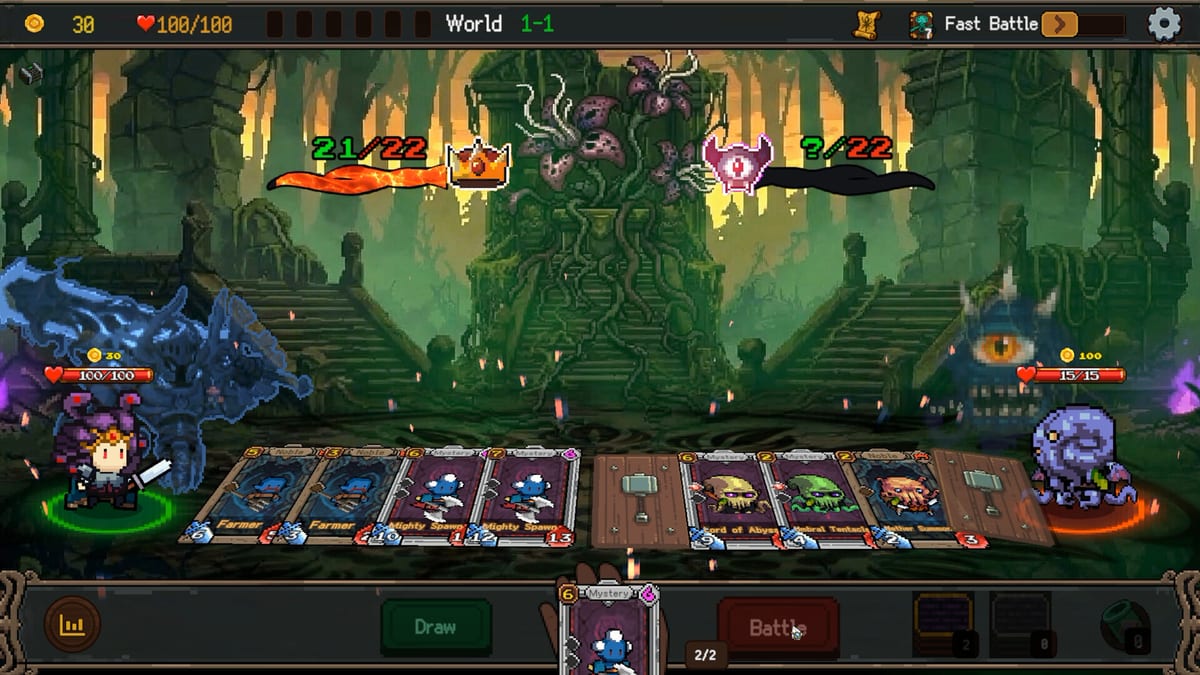
Why First Strike dominates Summoner’s Gambit
In Summoner’s Gambit, First Strike (community shorthand: 先攻) is the trait that lets your creatures act before the enemy line resolves its full turn of pressure. That sounds like a small timing bonus. In practice it is the difference between deleting a threat before it swings and watching a boss multi-hit erase your board. Community clears—especially late campaign and boss nodes—consistently treat First Strike as a primary win condition rather than a nice-to-have keyword.
This guide explains how to draft for First Strike, how to fuse it onto high-attack bodies, how to seat those units, and how to keep your energy plan honest while you chase the trait. Pair it with Score Control so your summons land in the same turn, Card Fusion for inheritance rules, and the First Strike Build page for a concrete run plan. New Apostles should still skim Getting Started once before forcing a First Strike-only tunnel.
How First Strike changes a fight
Auto-battler seating already sets attack order and skill range. First Strike stacks on top of that order: your First Strike creatures resolve early enough to remove or cripple enemy pieces before the rest of the enemy pack acts. Against a final-style boss that packs consecutive hits and a frontline of four to five monsters, two or three First Strike units with strong attack (community targets often cite 25+ attack as a practical threshold) can open by deleting one body, swapping focus, and guaranteeing damage onto the boss itself.
Without First Strike, you often trade into the pack and never touch the boss. With First Strike, the pack thins before it finishes its script. That is why the trait shows up in “easy clear” writeups more than raw HP stacking.
Drafting and shop routes
Prioritize routes that refresh shops and monster drops with trait-bearing creatures. Early nodes that offer shops are usually better than pure fight spam when you are hunting First Strike keywords. Take attack, damage reduction, and HP support when they appear—those modifiers keep First Strike bodies alive after they open. Skip clutter cards that only dilute your hand; late game, a thick hand without a coherent score plan will block you more than an empty slot.
When a shop shows a mediocre body with First Strike, treat it as fusion fuel for a stronger attacker you already trust. When a shop shows a high-attack body without the trait, plan a fusion that imports First Strike from a weaker carrier. The Units Tier List helps you decide which roles deserve seats once the trait is secured.
Fusion targets for First Strike
Fusion is how First Strike graduates from a lucky drop into a board identity. Nearly all creature cards can fuse; the hybrid inherits traits from both parents. Practical pattern:
- Keep one high-power attacker as the “body.”
- Keep one First Strike carrier even if its raw stats are worse.
- Fuse when both are expendable copies—not when the carrier is your only opener.
- Re-seat the hybrid in a front-priority slot so the trait actually fires first.
Do not fuse randomly “because fusion is fun.” Every merge should answer: does the result keep First Strike, keep enough attack, and still fit Score Control numbers for the turn you need?
Formation and energy discipline
Seat First Strike units where their skills and melee range still matter after the opening delete. A First Strike caster buried where it never reaches the boss wastes the trait. Cross-check seating habits in Formation and energy ceilings in Energy Overflow. First Strike boards often want to dump most of the hand in one coordinated turn—that only works if you are not one summon away from overflow backlash.
Use the Energy Risk Tracker between fights when you are learning how many summons a First Strike open actually costs.
Boss and Ascension notes
Campaign bosses with multi-hit patterns are the showcase for this strategy—see Boss Walkthrough. Ascension modifiers that punish thick decks make First Strike even more valuable: fewer cards, sharper opens, less room for vanity traits. Async PvP is different—opponents can mirror your open—so read Async PvP before you treat First Strike as an unbeatable ladder crutch.
Class flavor still matters. Noble Serpent likes controlled opens; King of the Wilds likes aggressive trades; Lord of Shadows can pair First Strike with disruption; Child of the Forest can grow attack into the 25+ band more patiently. The dedicated First Strike Build page stitches those class notes into a single run checklist.
Checklist before you commit
- Do I have at least two First Strike creatures, or a fusion path to get there?
- Are their attacks high enough to delete pack members, not just tickle them?
- Can I score a full turn under the soft energy limit using Score Control?
- Is my seating letting First Strike hit the right target first?
- Am I ready for Ascension or PvP variants that punish one-note boards?
If three answers are “no,” stabilize with Beginner Builds first. If three answers are “yes,” push the boss and then climb Ascension.
Keep Updates open after patches—trait priority and boss scripts can move. First Strike is meta today because the fight scripts reward early deletes; stay flexible when Billion Studio reshuffles those scripts.
Frequently Asked Questions
Quick answers to the most common questions.
Is First Strike required to beat Summoner's Gambit?
Not strictly required, but it is one of the most reliable answers to multi-hit bosses and packed frontlines. Most consistent clears lean on it.
How much attack do First Strike units need?
Community clears often aim for roughly 25+ attack on two or three First Strike bodies so early deletes actually remove threats.
Should I pick First Strike over raw HP?
Against boss multi-hit scripts, early deletes usually beat pure tanking. Keep some survivability, but do not skip the trait for vanity bulk.
Does First Strike still work in async PvP?
It helps, but mirrored opens and counter-formations matter more. Read the Async PvP guide before treating it as an auto-win.