Summoner's Gambit Tools
Helpers that turn overflow theory into clearer in-run choices.
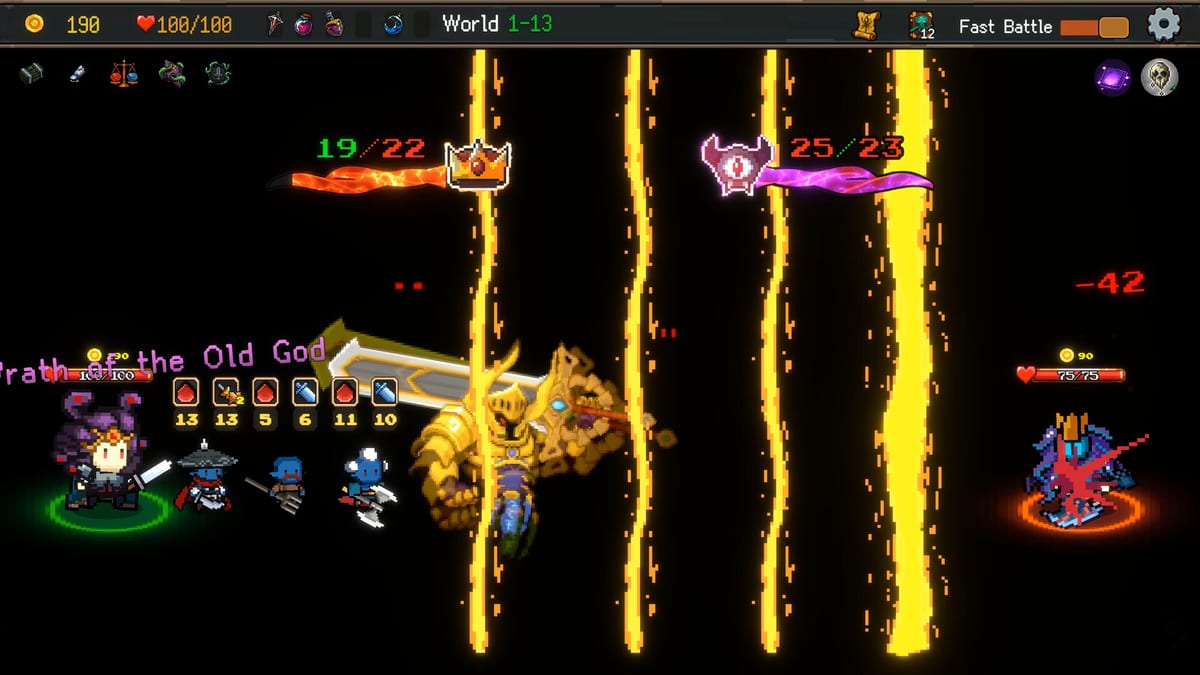
The Tools hub exists for players who understand the fantasy of Summoner’s Gambit but still lose fights to one greedy summon. Theory from the Energy Overflow guide becomes useful when you can count in real time. The Energy Risk Tracker below is a lightweight calculator for that job.
Why a tracker helps
Summoner’s Gambit borrows a blackjack-like tension: spend enough energy to field a lethal formation, but cross the soft limit and overflow backlash can erase your line. Mid-fight adrenaline makes mental math unreliable. A simple counter lets you rehearse “one more summon” decisions before they happen on the board.
Use the tracker while you watch a replay, practice in an early map node, or plan a shop purchase that changes your next curve. Pair it with Getting Started if you are still learning the UI, and with Controls if click habits are slowing you down.
Energy Risk Tracker
Set your current energy, add the cost of the next card or skill, and read the status band. Safe zone means you still have room. Near overflow means the next greed play is high variance. Overflow risk means you are at or past the soft reference and should expect backlash unless a Cheat the Odds effect or relic rewrites the rule.
Energy Risk Tracker
Track summon costs toward overflow. Stay under the limit — or plan a controlled bust.
Safe zone
Use this alongside the Energy Overflow guide. Exact caps can vary by relic and Cheat the Odds effects.
Exact caps, relics, and temporary modifiers can change the true limit. Treat the soft cap reference as a planning aid, not a substitute for reading in-game tooltips. When a relic raises or softens overflow, adjust the reference field before you continue adding costs.
How to train with the tool
- Start a low-stakes run with Noble Serpent or Child of the Forest.
- After each summon, enter the cost you just paid.
- Before the next play, ask whether the status band matches your gut feel.
- When the band flips to Near overflow, force yourself to articulate why the next summon is worth the risk.
- After the fight, compare the tracker history with the outcome and update your personal thresholds.
Players who practice this loop for a few runs usually stop overflowing by accident. Intentional overflows still exist — some boards want the backlash timing — but they become a choice instead of a mistake. Read Card Fusion next if your curve problems come from weak fused bodies rather than energy math.
What this hub is not
This is not a damage formula spreadsheet for every unit in the Units tier list, and it is not a secret code redeemer. Summoner’s Gambit is a premium Steam release; progress comes from runs, fusion, runes, and challenge modes. For official links and community channels, visit the Links hub. For patch timing and launch notes, see Updates.
Suggested reading order
- Energy Overflow for the rule set
- This Tools page for the tracker
- Beginner Builds for safer early decks
- Tier List Hub once you want meta context
- Items Hub when you need rune and potion reminders
Keep the tracker open in a second window while you climb Ascension. The more often you convert a near-bust feeling into a concrete number, the faster your summon discipline improves.
Frequently Asked Questions
Quick answers to the most common questions.
Is the energy soft cap always the same?
Treat the reference value as a planning aid. Relics, Cheat the Odds effects, and temporary modifiers can change what is safe. Always confirm with in-game tooltips.
Should I overflow on purpose?
Sometimes. Advanced boards use controlled backlash timing. Beginners should avoid accidental overflow first — see the Energy Overflow guide before planning intentional busts.
Does this tool replace builds and tier lists?
No. It only helps energy decisions. Pair it with Builds, Tier List, and Items pages for deck and reward choices.