Summoner's Gambit Formation Guide
Place creatures so attack order and skill range actually match your win condition.
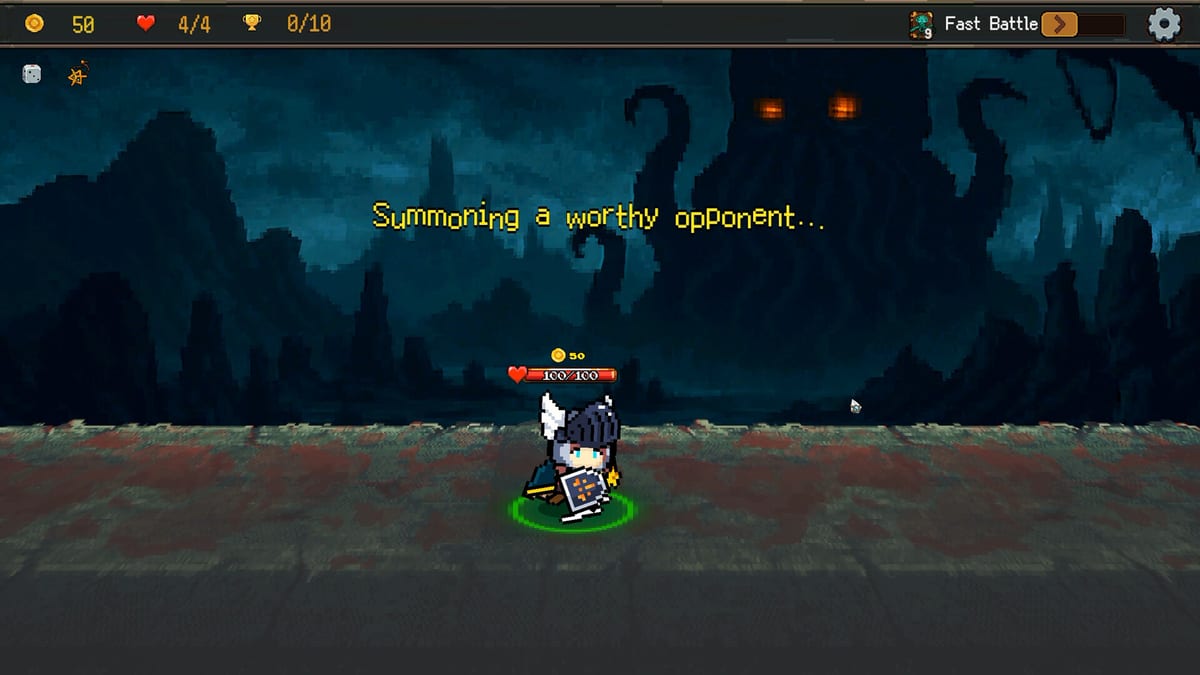
Positioning is not cosmetic
Summoner’s Gambit sells itself as a blend of deckbuilding and auto-battler positioning. That second half is where many Apostles leak wins. You can draft a perfect First Strike packet and still lose because the opener is seated where it never reaches the target, or because a backline caster is blocked for the entire round. This formation guide is the seating manual that Getting Started introduces and that Boss Walkthrough assumes you already practice.
Study boards in the Boss Walkthrough video when you need motion reference, then rebuild your own lines using the rules below. Cross-link First Strike and Score Control so seating and energy dumps stay one plan. Creature role context lives on Creature Cards.
Attack priority and skill range
Two variables decide most formations:
- Attack priority / order — who acts earlier in the auto-resolved sequence.
- Skill range — which seats can actually touch the enemy boss, backline, or clump.
Front seats usually trade first and soak hits. Mid and back seats often hold casters, supports, and delayed payoffs. First Strike traits further advance your openers in the sequence—so a First Strike unit in a useless range still “goes first” at nothing. Always seat the trait where the first action deletes or cripples something that mattered.
Building a default line
A clean default for campaign maps:
- Front: durable attacker or First Strike melee that should delete pack members.
- Mid: secondary First Strike or high-attack flex that can retarget the boss.
- Back: support, sustain, or long-range skills that must not die on turn one.
Adjust by class. Noble Serpent likes disciplined front timing. King of the Wilds may crowd the front with tempo. Lord of Shadows often needs a disruption seat that touches the right enemy. Child of the Forest may protect a growing carry in mid until attack thresholds arrive.
Use the Units Tier List to decide which roles deserve premium seats when the board is full.
Seating for First Strike opens
When your win condition is a scored First Strike dump:
- Put First Strike deletes in seats that can reach the current pack.
- Put the follow-up attacker where it can hit the boss after the first delete.
- Keep supports alive behind that line—dead healers do not fix overflow mistakes.
- Re-seat after every fusion; hybrids change ranges and roles.
If two First Strike units are both front-left clones of each other, you are over-stacking the same angle. Diversify seats so a single blocked tile does not waste the whole open.
Seating under energy pressure
Formation and Energy Overflow interact. A greedy five-summon dump that overflows can erase the board you just seated. Score the turn first (Score Control), then place. If you must cut a summon to stay safe, cut the unit whose seat adds the least to the win condition—not the unit you like cosmetically.
Potions that buy a turn of survival are seating tools too—they keep a mis-seated carry alive for one more resolve. See Items Potions.
Async PvP and Ascension seating
In Async PvP, opponents bring snapshot formations. Mirror-blind First Strike lines get baited; keep a flexible mid seat that can pivot. In Ascension, modifiers that punish wide boards force fewer seats—each tile must justify itself. Revisit this guide every time a modifier changes how many creatures you can legally field.
Practice drill
After each fight, screenshot or remember your seats and ask:
- Which unit acted first, and did that action matter?
- Which skill whiffed because of range?
- Which unit died before doing its job?
- Would swapping two seats have won a turn earlier?
Five honest autopsies beat twenty random rearrangements. Then open class builds and the First Strike Build to lock a default you can deploy under clock pressure.
Formation is how Summoner’s Gambit turns card text into damage. Ignore it and the Old God will keep eating fair decks.
Frequently Asked Questions
Quick answers to the most common questions.
Does positioning really matter if my cards are strong?
Yes. Attack order and skill range decide whether strong cards ever touch the boss. Bad seats waste First Strike and fusion investments.
Where should I seat First Strike units?
Where their first action deletes or cripples a real threat—usually a front or mid seat with legal range—not a dead back corner.
Should I reseat after fusion?
Always. Hybrids inherit new traits and often new ranges; old seats may no longer match the unit.
How do I practice formation quickly?
After each fight, ask which seat whiffed and swap two units next fight. Use the Boss Walkthrough gameplay video when you need a motion reference.